Case study 01My productNovember 2026 — now

PopKin

Stories that pop right off the page.

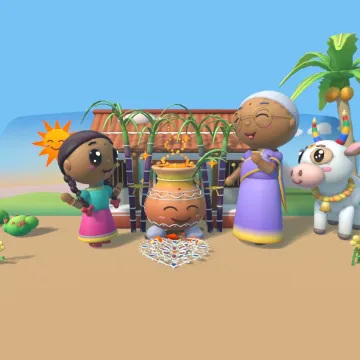
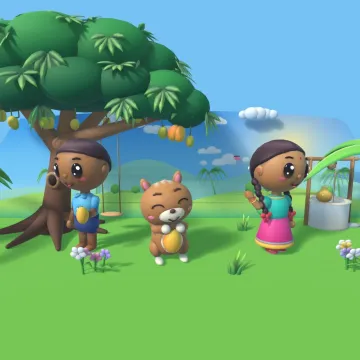
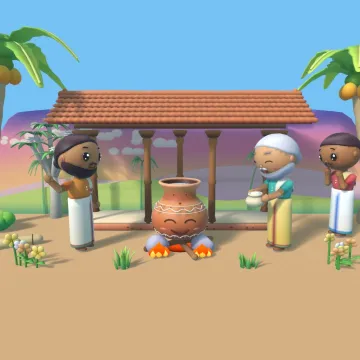
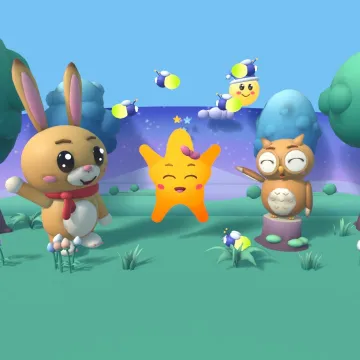
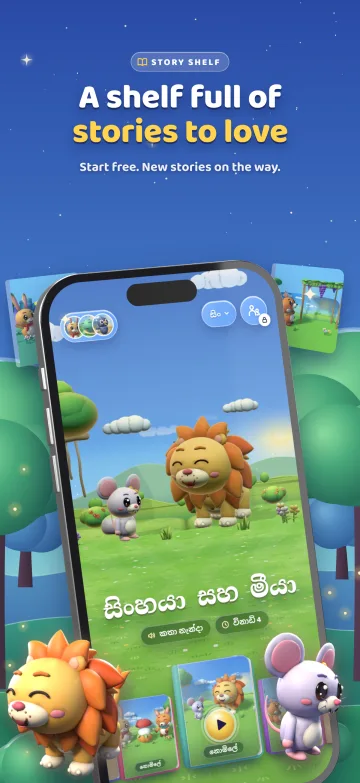
3D pop-up story books for children aged 3 to 7, in Sinhala, English and Tamil. Tap a character and it hops, talks and plays. Hand the phone over, and only PopKin opens. I researched it, wrote it, designed it, modelled every character and built the app.

  • Research
  • Stories
  • Design
  • 3D
  • Engineering
  • Shipping

App StoreiPhone screenshots

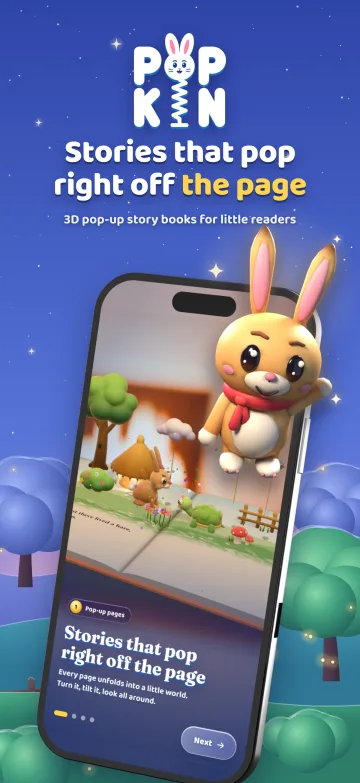
  1. Stories that pop right off the page
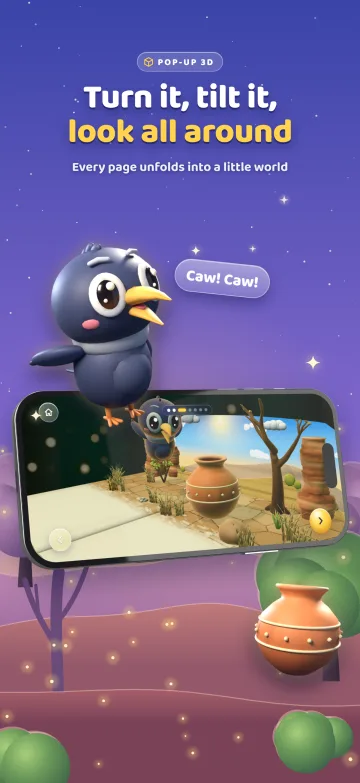
  2. Turn it, tilt it, look all around
  3. A shelf full of stories to love
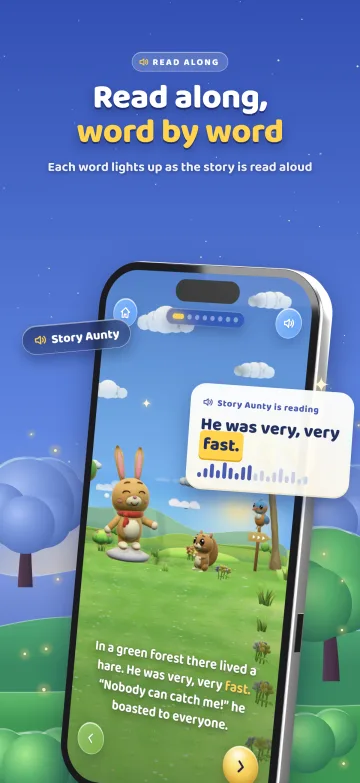
  4. Read along, word by word
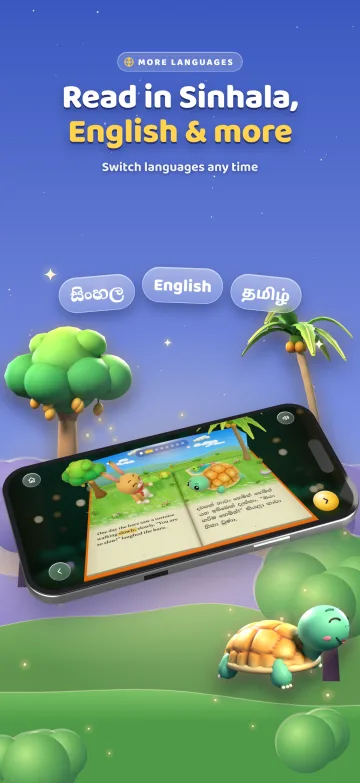
  5. Read in Sinhala, English and more
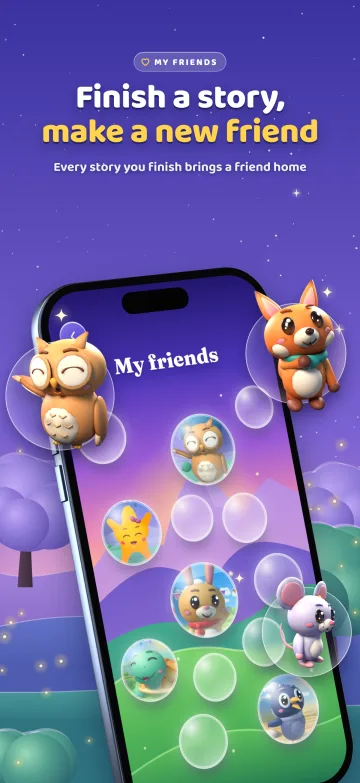
  6. Finish a story, make a new friend
  7. Hand it over. Only PopKin opens.
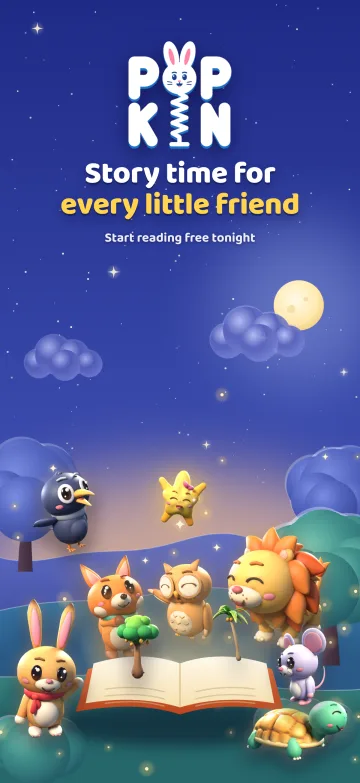
  8. Story time for every little friend
My role
All of it: research, stories, design, 3D, the app, the website, releases
Platforms
iOS · Android · iPad and tablets
Built with
Expo · three.js · Blender, all in code · Cloudflare
Live at
popkin.kids ↗
Google Play ↗

01 The story

It started at bedtime.

Sooner or later, every child reaches for the phone. I wanted to know what I'd be happy to hand our own.

I went looking for stories. The good apps were beautiful, but they were in English, set somewhere else, and plenty of them were busy with points, streaks and timers. Almost nothing told our own folk tales, in Sinhala or Tamil.

And the phone comes out at bedtime anyway. If it does, it should be a calm storybook that winds down with the child, not a game that winds them up.

I'd also been wanting to build something real in 3D for a long time. A pop-up book, where every page stands up into a little world, was the perfect reason.
At bedtime the sky turns to night, and the end of a story offers only goodnight.

02 Research

Small hands, strict rules.

Before a single scene, I wrote sixteen short research notes: how young children use screens, what award-winning kids' apps do, which stories belong to whom, and what the stores allow. Three findings shaped everything.

  1. Tiny fingers

    Three-year-olds can tap and swipe, but pinching is hard and they lift a finger halfway through a drag. So: tap and swipe only, and big targets.

  2. Stories, not games

    Across 43 studies, animation and sound helped children understand a story; games and hotspots pulled them away from it. So: no quizzes, and only a few things to tap.

  3. The hand-over

    Parents hand over their own phone. Their fears: a tantrum when it ends, and a child wandering into other apps. So: a lock that ends gently.

Competitor scankids' story and play apps

What it does well3D pop-upSinhala & Tamil
Pok PokCalm, no scores · Apple Design Award––
Sago MiniPlayful touch · Apple Design Award––
VooksAnimated read-along books––
Khan Academy KidsFree, no ads––
YotoScreen-free audio stories––
Wooks.lkSri Lankan, Sinhala and English–Sinhala
PopKinSri Lankan folk tales, read aloud●●

Each of them is lovely at something. None of them pops up in 3D, and none speaks Sinhala and Tamil. The rarer asset was the pop-up book itself.

Rules every screen passes

  1. Targets at least 2 cm; tap and swipe only.
  2. Three choices at most.
  3. No reading needed: every control also speaks.
  4. No streaks, points, timers, ads or autoplay.
  5. Folk tales told gently: no stealing, no punishment.

Launch scope

Must have
Pop-up stories · narration in every language · My friends · hand-over mode · a parent gate
Nice to have
Bedtime mode · PopKin Plus stories
Later, on purpose
Sign-in · sibling presets · family voice recording
How might we

hand a child a phone that tells our own stories, in our own language, and lets go gently at bedtime?

How the project ran

Research16 short notes Storiesretold gently Designtwo board rounds ModelBlender, in code Buildone 3D reader Voice3 languages Shipboth stores

03 The idea

A book that pops up.

Every page of a PopKin book is a small 3D world, built for that moment of the story.

Hold the phone upright and you stand inside the scene, close to the characters. Turn it sideways and the same scene becomes a pop-up book: the pages open, the paper curls and the scenery springs up off the page. One continuous move, and it runs in reverse when you turn back.

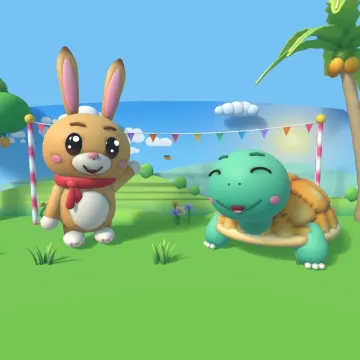
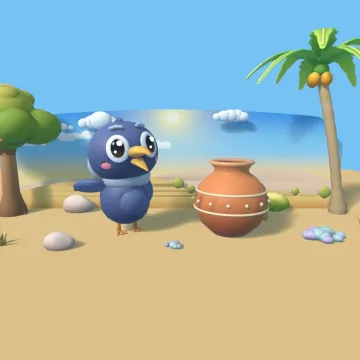
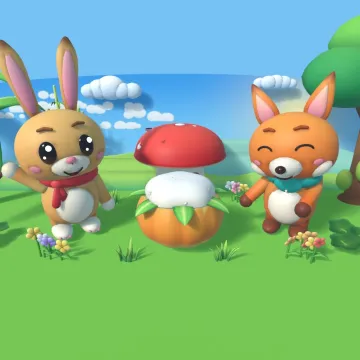
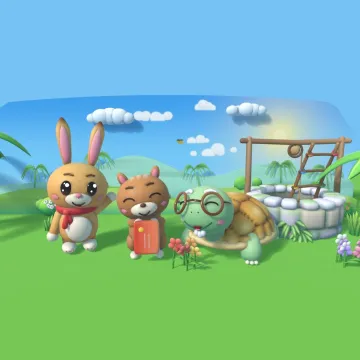
A crow beside a clay kalaya on cracked earth. A hare and a tortoise at the start of a race. Real Sri Lankan plants and places, and characters that look like soft vinyl toys.

Upright · the stage
Sideways · the pop-up book
  1. 01Tap to playEvery character answers a tap: the crow drops a pebble, the pot splashes, the hare hops. A speech bubble says what happened.
  2. 02Read alongThe words appear under the scene, and the word being spoken lights up in sun yellow.
  3. 03Three languagesSinhala, English and Tamil, one tap apart. In the book, a second language fills the facing page.

User flow · one story, start to finish

Pick a storyfrom the shelf Who reads?the storyteller, or me Tap and turnupright or sideways The endthe lesson, gently A new friendjoins My friends Again, or goodnightonly goodnight at bedtime next story

04 Hand it over

Only PopKin opens.

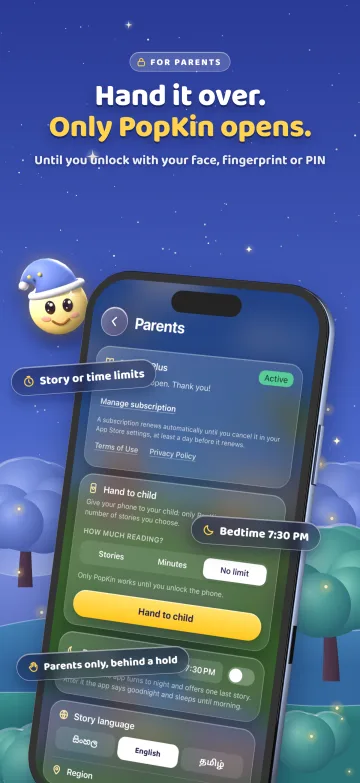
A parent picks two stories, or twenty minutes, and hands over their own phone. Until they unlock it, only PopKin opens.

Time is counted in stories, not minutes, so nothing gets cut off mid-page. The last story winds down on its own, which is gentler than a timer going off.

On iPhone it's Apple's Screen Time API: every other app is shielded, with PopKin's own shield screens. On Android it's screen pinning. Face ID, a fingerprint or the parent's PIN ends it, and setting it up takes about twenty seconds.

Honest limits: on iPhone, Settings and Control Center stay reachable, and Android only lets the app suggest "ask for PIN before unpinning", not switch it on. The research ruled out the heavier tricks, like accessibility services, that break store family rules.

Hand it over: the parents' screen with stories or time limits

Hand-over mode · one flow, two platforms

Parent2 stories, or 20 min iPhoneScreen Time shields Androidscreen pinning Child readsonly PopKin opens Winds downthe last story ends Phone backFace ID or PIN

05 Design

Toy glass, not paper.

Round one looked cheap.

The first design dressed the controls as paper craft: a paper language wheel, a hanging tag, a cream sheet.

Next to glossy 3D characters it looked cheap and cartoonish. So in the second round the world stayed exactly as it was, and everything laid over it became glass: clear, glossy and rounded like the vinyl of the toys, with one bright sun-yellow button per screen.

  • Every screen is a scene
  • The sky keeps time
  • Toy glass, not paper
  • Portrait first, book sideways
  • No reading needed
  • Calm by design
Dark glass · labels
සිං · EN · த

"Nobody can catch me!" he boasted to everyone.

  • Clear glass · buttons
  • Dark glass · labels
  • Frosted glass · words
  • One sun button per screen
Round one · paper craft · screens coming
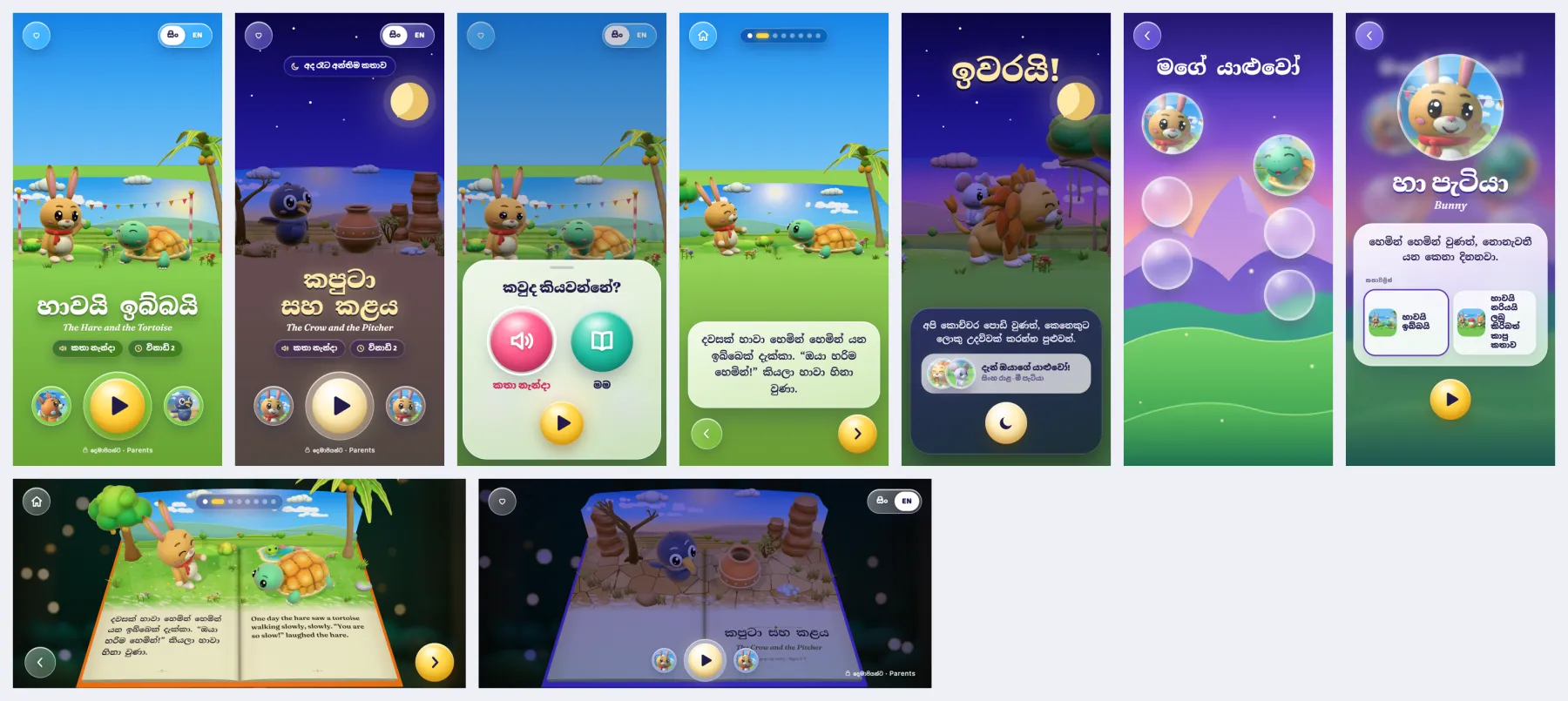
Round two of the design board: home by day and at bedtime, who reads, the end, My friends, a friend's card, and the pop-up book
Round two · toy glass over a living world

The sky keeps time.

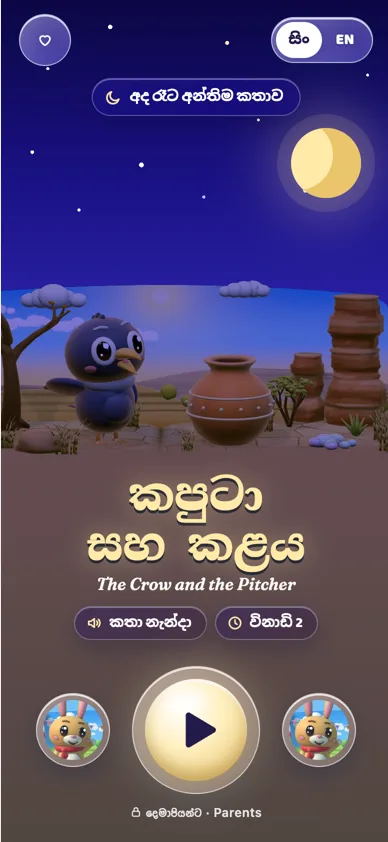
At the bedtime a parent sets, the home screen turns into a bright, gentle night with a moon and stars. One story is left, then it sleeps until morning. Same world, two times: the palette has a day half and a night half.

  • Sky
  • Sun
  • Leaf
  • Coral
  • Night
  • Violet
  • Lilac
  • Moon
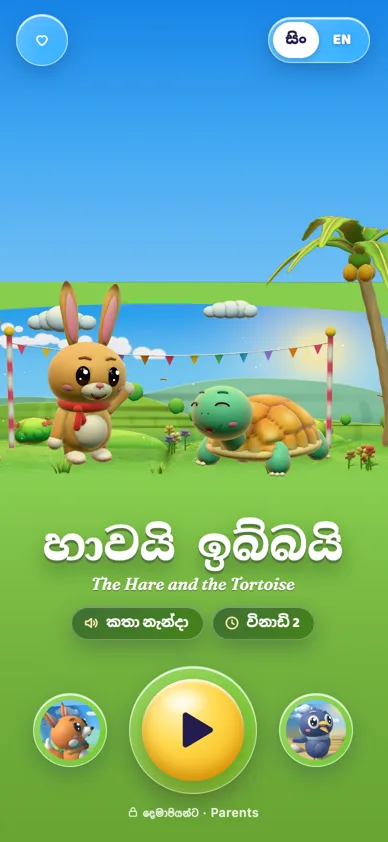
Home by day: the hare and the tortoise
By day
Home at bedtime: the crow and the pitcher under a moon
At bedtime

Three scripts, one shelf.

Story titles are set in Noto Serif Sinhala Black, white, with a solid shadow in the deep colour of the land, so they feel as solid as the toys. Sinhala, Tamil and English each get their own font, and the canvas text inside the 3D pages is drawn so Sinhala letters never break apart.

හාවයි ඉබ්බයි

Pothe Katha became PopKin.

The working name was Pothe Katha, "stories from the book". It's lovely in Sri Lanka, but four syllables are hard to say anywhere else and mean nothing in a search abroad. I screened thirty names for store clashes and meanings in Sinhala, Tamil and English.

PopKin won: two syllables a toddler can say, "pop" for the pop-up book, "-kin" for small and dear. Pothe Katha stayed on as the Sri Lankan line.

30 screened
  • Toto a toilet brand
  • Kathi "knife" in Tamil
  • Talo taken
  • Fabli taken
  • Lulo taken
Shortlist
  • Taletap
  • Tumtum a book series
  • PopKin
The PopKin app icon: the bunny is the O and a spring is the I
The bunny is the O, the spring is the I

06 The 3D

Every model is a Python script.

I don't sculpt by hand. Blender runs headless, and every character, tree and whole scene is built from code.

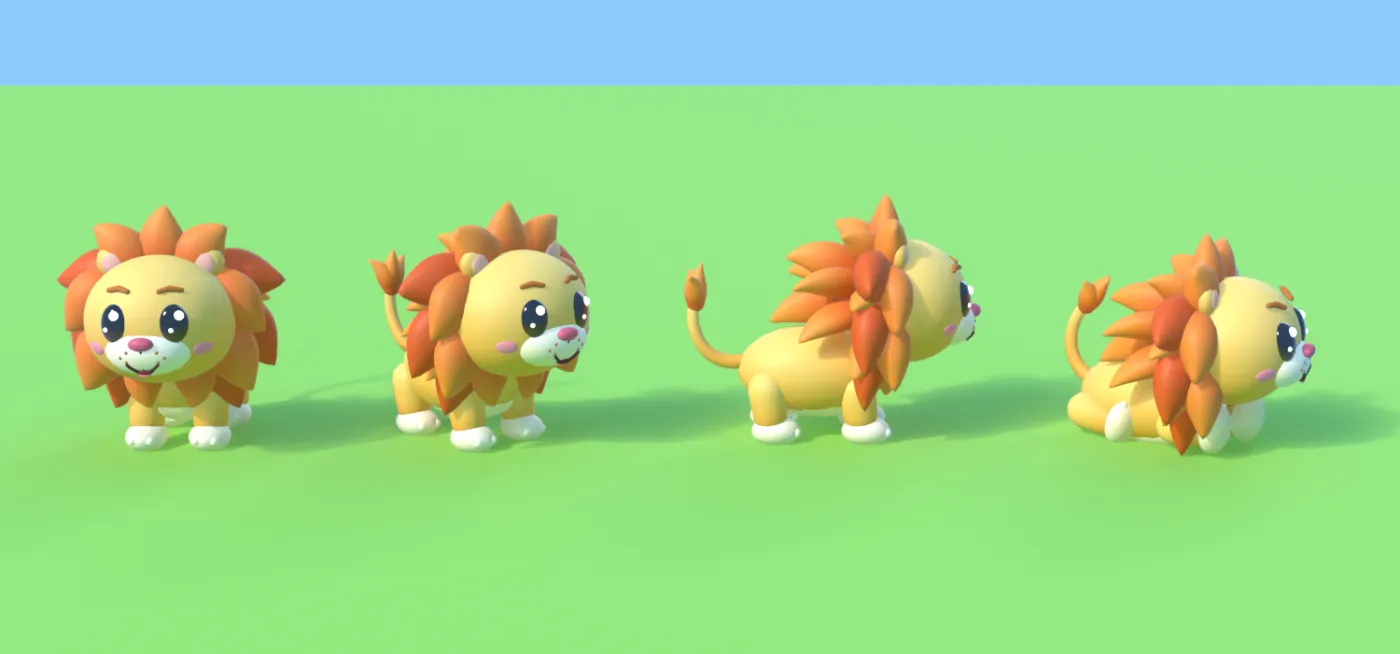
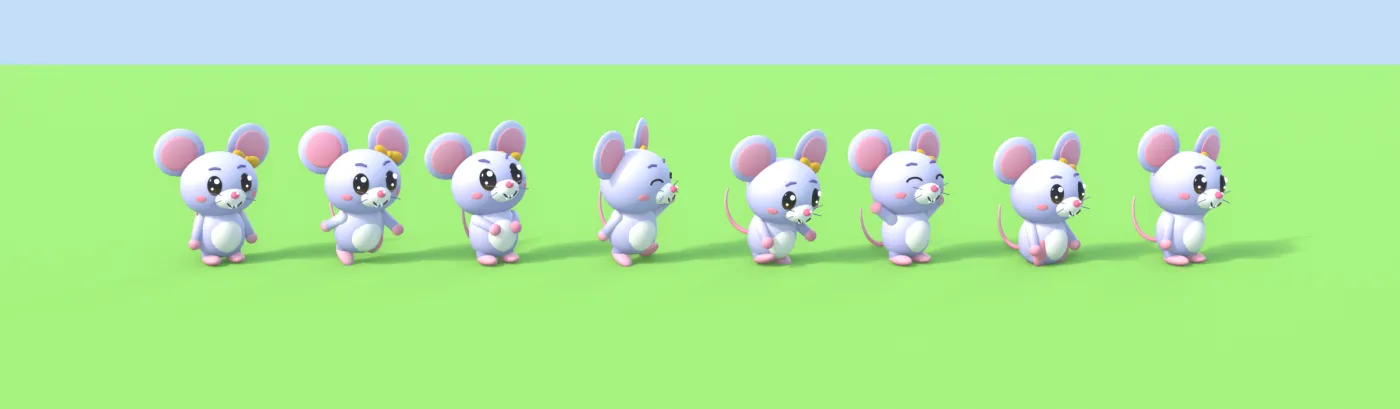
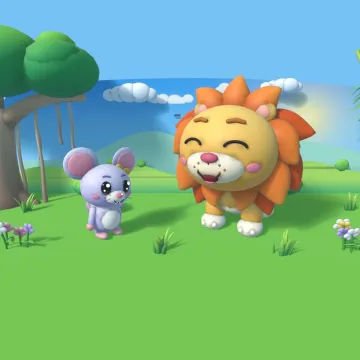
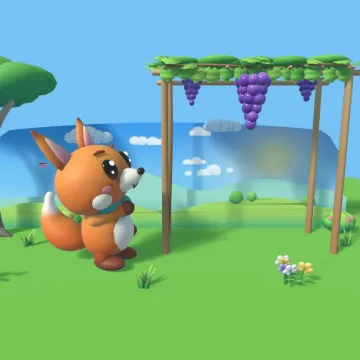
A small toy-look kit sets the style once: big heads, glossy eyes, rosy cheeks, clean colours. The cast (hare, tortoise, crow, lion, mouse, squirrel and the rest) is built from it, so a new character matches the others on day one, and a change to the kit updates them all.

Each page of a story is its own scene script, and the covers on the shelf are rendered straight from those scenes. The loose props come in two styles, cartoon and paper, from the same scripts.

The lion from four sides
The lion, from every side
The mouse in eight poses
The mouse, eight poses for its tap clips

How a story gets made

A folk taleretold gently Story pack3 languages, checked Blender scriptsscenes, covers Narrationevery word timed Cataloga new version The phonekept for offline

An AI model drafts each story pack in a fixed shape, with the text in every language and where each piece stands on the page. I read, retell and review every page before it ships, and the narration comes back with the time of every word, so the read-along lights up exactly as it's spoken.

07 Under the hood

One reader, every screen.

The whole storybook is one three.js web app, running inside the phone app's WebView.

Why a WebView, not a game engine? I compared Unity, native 3D and newer React Native graphics. The web reader was the cheapest to build and change, Sinhala text already renders correctly in a browser, and one reader serves iPhone, Android and the browser I test in. Sri Lanka is mostly Android, so two native codebases made no sense.

The native shell does only what must be native: the splash, haptics and hand-over mode, talking to the reader through small bridge messages.

Stories work offline. The reader and every story's first pages ship inside the app; the rest of a story downloads the first time it's opened, then stays on the phone.

THE APP IN THE WEBVIEW STORIES Expo shellsplash · haptics · hand-over Native modulesScreen Time · screen pinning three.js readerhome · stories · friendsparents · read-along On the phonereader + each story's start Cloudflare R2the rest, on first open bridge

07b Calm on the battery too

The phone got warm in use: the reader drew every frame at full speed on every screen, even under sheets that covered the scene. Now a still scene draws 30 times a second, full speed only while something moves or right after a touch, and nothing is drawn under full-screen sheets.

08 What broke

Found in the beta.

Each one was found, fixed, and then fenced off so it can't come back quietly.

  1. The beta opened on an error page

    What
    The first Android release build showed an error instead of the bookshelf.
    Why
    The reader is served from a tiny web server on the phone, and release builds block plain http, even to the phone itself.
    Fix
    A network rule that allows plain http to the phone itself and nowhere else.
  2. A purchase that never got checked

    What
    Test purchases from TestFlight never unlocked PopKin Plus stories.
    Why
    Apple's live server refuses to answer for an app that isn't on sale yet, so the check never reached the test server.
    Fix
    Any refusal from the live store now falls through to the test store; only real errors are reported.
  3. A storybook that warmed your hands

    What
    Phones got warm during a story.
    Why
    Every frame was drawn at full speed, and the room video kept playing behind the sky where no one could see it.
    Fix
    30 frames a second when still, nothing drawn under sheets, and the hidden video pauses.

09 What's next

More stories, more friends.

  1. Nov 2026Pothe Katha

    The first pop-up book, five stories.

  2. Nov 2026PopKin

    A new name, hand-over mode, toy glass.

  3. NowTen stories

    Three languages, on both stores.

  4. NextMahadenamutta

    And Andare the Jester, two Sri Lankan classics.

  5. LaterThe Plus library

    More stories for families who want them.

Every finished story leaves a new friend behind: හා පැටියා, ඉබි පැටියා, කපුටු හාමි and the rest. The shelf, and the valley of friends, keep growing.